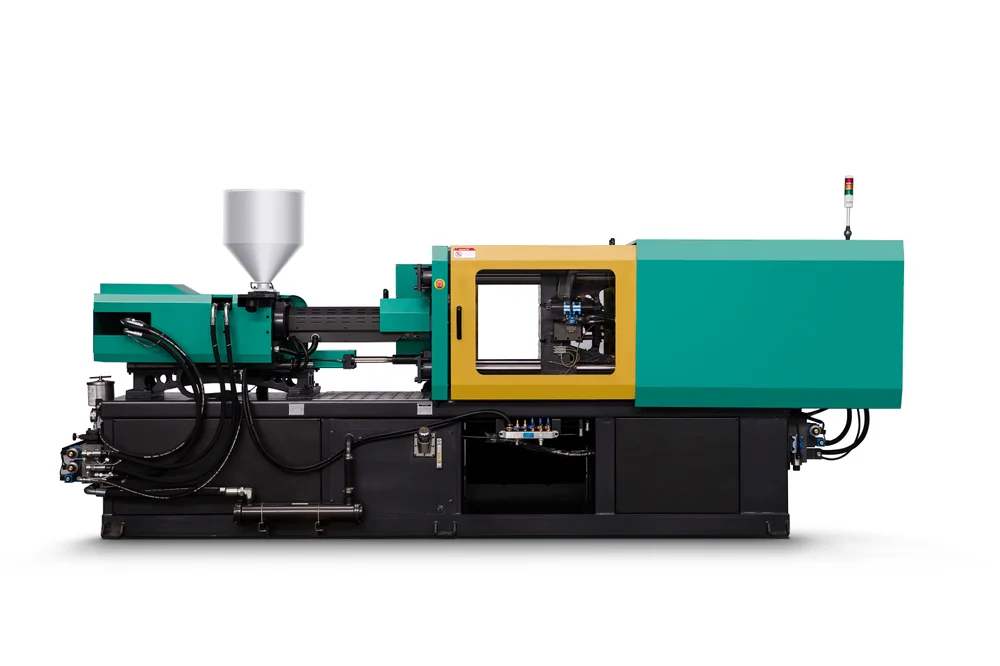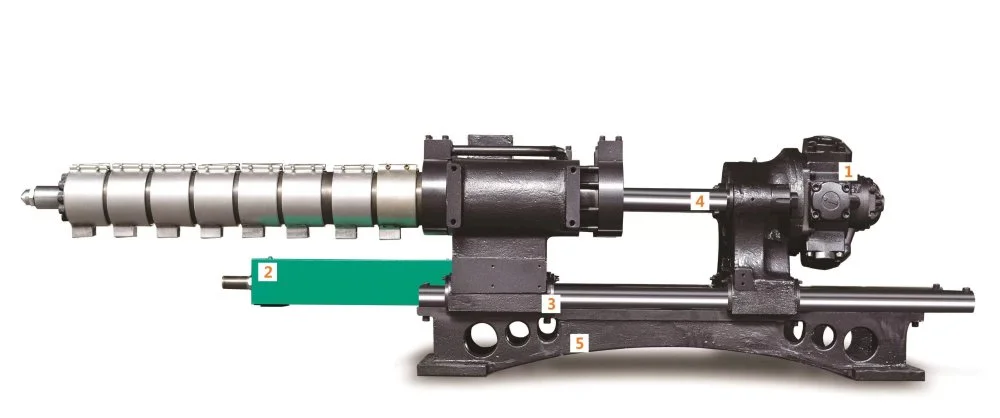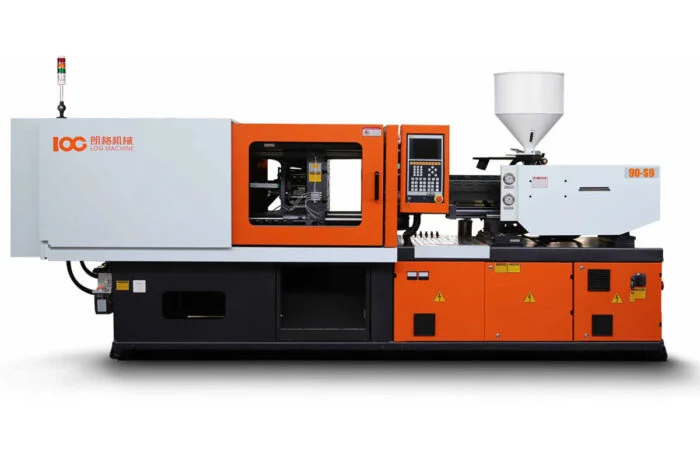
In injection molding, choosing the correct clamping force is vital for producing quality plastic parts. This blog helps you understand what clamping force is, why it matters, how to match it with your part design (size, material, complexity), and how to select the right machine from your injection molding machine supplier or manufacturer. With the right choice, you avoid defects, reduce waste, and optimize production costs and efficiency.
1. What is Clamping Force – and Why It Matters
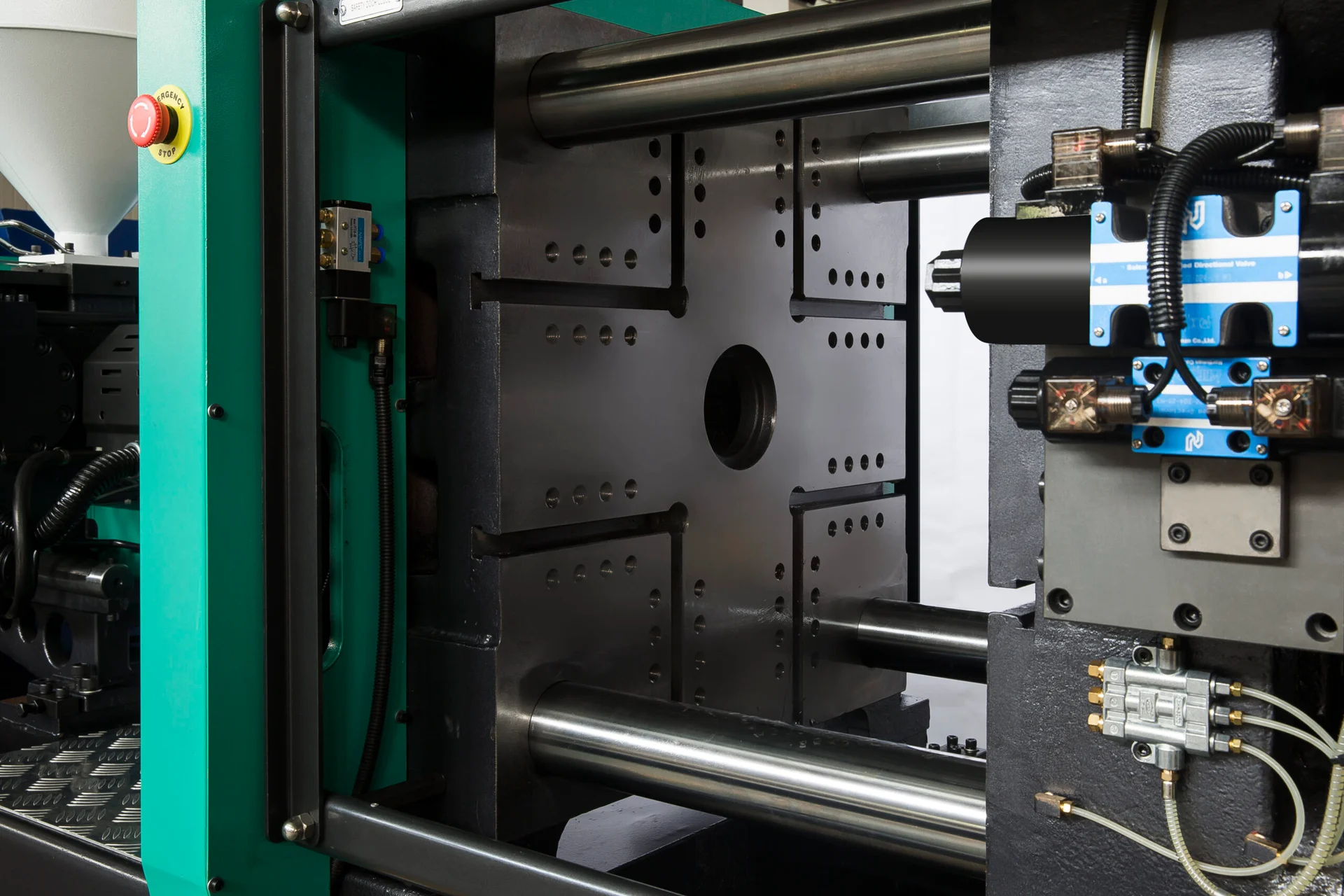
- Clamping force is the force exerted by the injection molding machine to keep the mold halves closed during injection and cooling.
- Its main purpose is to resist the internal pressure from molten plastic – preventing the mold from opening or separating, which would cause defects like flash (excess plastic leakage), short shots, or dimensional inaccuracy.
- If clamping force is inadequate → poor product quality. If it’s over-specified → unnecessary energy use, stress on machine, wear & tear higher costs.
2. How to Determine Required Clamping Force
To choose the right clamping force (tonnage), you need to evaluate:
- Projected area of the part/mold – essentially the surface area of the part projected onto the mold’s parting plane. Larger projected area = more force required.
- Cavity / Injection Pressure — depends on the type of plastic material (viscosity, flow characteristics), wall thickness, and mold design. High viscosity or thicker parts require greater injection pressure → higher clamping force.
- Mold complexity and number of cavities – multi-cavity molds or complex geometries increase total projected area or uneven pressure distribution → demand more clamping force.
- Safety margin (safety factor) – it’s common practice to add a buffer (e.g. 10–20%) over the calculated minimum to accommodate variations in material, process, and ensure stable production.
Simple formula (approximate):
Clamping Force (tons) ≈ Projected Area × Material Pressure Factor (tons per area unit) ÷ constant — converted depending on measurement units.
Because of these variables, proper calculations (or mold-flow analysis) are often used to decide required tonnage rather than guessing.
3. Typical Clamping Force Ranges and Their Applications
Here are common clamping-force ranges and suitable applications:
- 90–470 tons – Small to medium sized molds/parts, lighter plastics; suitable for consumer electronics (housings, small components), small household appliances, packaging components, small automotive parts (knobs, interior trims), and other medium-size plastic items.
- 550–2800+ tons – Larger, heavy-duty molds and more complex parts: large automotive components (bumpers, dashboards, large housings), industrial equipment housings, large-scale packaging or appliance parts, multi-cavity or large-volume parts requiring high injection pressures and stable mold closure.
Choosing a machine within the right clamping force range ensures the mold remains closed under injection pressure, avoids defects, and provides stable, repeatable production.
4. Key Factors to Consider When Selecting a Machine
When selecting the right injection molding machine (from an Injection Molding Machine Supplier / Manufacturer like LOG), consider:
- Part size & projected area – bigger parts need higher tonnage.
- Plastic material type & viscosity – high-viscosity or engineering plastics need more clamping force.
- Mold design: cavity count, geometry, wall thickness, complexity.
- Injection pressure & expected injection speed.
- Mold height, tie-bar spacing, and platen size – to ensure mold fits and machine can support it.
- Safety margin / buffer tonnage, to ensure stable molding even under varying production conditions.
- Future-proofing: plans for larger molds or different products may require more flexible tonnage range.
- Machine type & clamping system design (toggle, direct hydraulic, multi-cylinder, tie-bar vs tie-barless), depending on production demands.
- Support services, maintenance, and supplier reliability. A good supplier ensures proper guidance and support for your molding needs.
5. Common Mistakes and Risks of Wrong Clamping Force
- Undersized clamping force → Mold halves may separate under injection pressure → leads to part defects like flash, short shots, incomplete fill, and dimensional inaccuracy.
- Excessive clamping force (over-spec) → unnecessary energy consumption, increased machine stress, increased wear and tear on platen or tie bars, longer cycles, higher maintenance costs.
- Ignoring mold design and part geometry – choosing based only on part weight or machine price without evaluating projected area or cavity pressure – leads to frequent rejects or inefficient production.
- Not planning for flexibility or future production changes – may require new machine if product range changes, leading to extra cost instead of having a versatile machine from start.
6. How “LOG Injection Molding Machine” Helps You Choose Right
At LOG Injection Molding Machine, we understand that selecting the correct machine is more than just looking at tonnage or price.
We help you by:
- Advising on the ideal clamping force range based on your part design, material, mold complexity and projected production volume.
- Offering a wide range of machines – from small/medium tonnage (for consumer goods, packaging, and electronics) to heavy-duty high-tonnage machines (for automotive parts, industrial housings, large molds).
- Customizing machine configurations (clamping system type, platen size, tie-bar spacing, and injection unit) to fit your specific mold and production requirements.
- Providing technical support and guidance during mold design and machine procurement – to ensure right fit and avoids costly mistakes.
Thus, choosing LOG as your injection molding machine supplier ensures you get the right machine for your needs the first time.
Conclusion:
Selecting the correct injection molding machine is not just about buying a high-tonnage press – it’s about matching clamping force, mold design, part geometry, material type, and production goals. Choosing the right clamping force ensures mold integrity under injection pressure, consistent part quality, efficient production cycles, and long-term machine health.
With “LOG Injection Molding Machine”, you get expert guidance, flexible machine options, and customized solutions – making sure you invest wisely and get maximum value. Whether you produce small consumer parts or large automotive housings, choosing the right machine ensures success.
Frequently Asked Questions (FAQs):
1. What exactly is clamping force and why is it critical for injection molding?
Clamping force is the pressure exerted by the machine to keep the mold halves tightly closed during plastic injection. It prevents the mold from opening under pressure – avoiding defects like flash, short shots, or dimensional inaccuracies.
2. How do I estimate the clamping force required for my part?
Estimate based on the part’s projected area, the plastic material’s injection pressure (often dependent on viscosity and wall thickness), and add a safety margin (e.g., 10–20%) – many manufacturers also use mold-flow or simulation tools for accuracy.
3. Can I use a high-tonnage machine “just in case” even for small parts?
You could, but it often leads to inefficiencies: higher energy use, increased wear, longer cycle times, and unnecessary operating costs. It’s better to match machine tonnage to actual needs.
4. What happens if the clamping force is too low?
If clamping force is insufficient, the mold may open under injection pressure – leading to flash (excess plastic leakage at parting line), incomplete fill (short shots), and poor dimensional accuracy.
5. Will choosing a machine with the correct clamping force reduce waste and defects?
Yes. Proper clamping force helps maintain mold closure, ensures proper filling, reduces mold deformation – all leading to lower scrap, consistent quality, and less rework.
6. Does mold design or material type affect the choice of clamping force?
Absolutely. Complex molds, multi-cavity molds, large projected areas, thick walls, or high-viscosity materials require higher clamping force. Material type and mold geometry are among the key factors for selection.
7. Why should I trust LOG Injection Molding Machine instead of selecting a random machine?
Because LOG offers expert guidance, customization, and a wide range of machine capacities. We help you match machine specs with your product requirements, reducing risk of defects, over-specification or inefficient production.