A press that runs for years instead of breaking down mid-shift isn’t lucky, it’s on a schedule. The machine warns you first; here’s the rhythm that catches trouble before it stops the line.
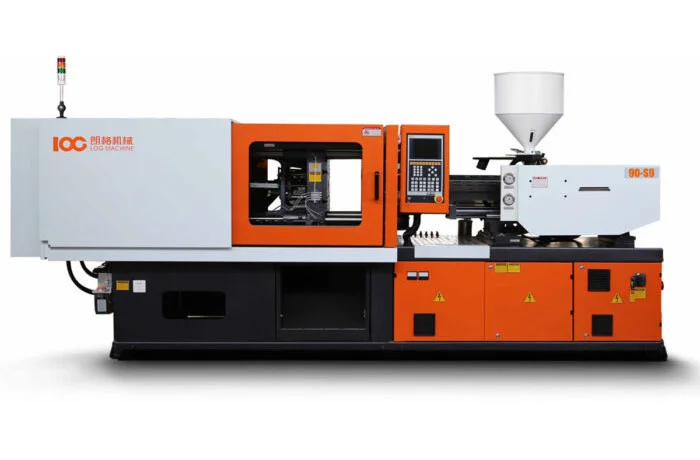
An injection molding machine is a large capital asset that runs, in many shops, around the clock. What keeps it producing good parts for years instead of surprising you with a mid-shift breakdown is not luck; it is a maintenance rhythm. The failures that stop a press are almost always preceded by small, visible warnings that a scheduled check would have caught. This is a practical maintenance framework for injection molding machines, organized by how often each task should happen. It is general guidance; always follow your machine’s manual and your facility’s lockout/tagout procedures first.
Reactive maintenance, fixing things after they break, means unplanned downtime at the worst possible moment, usually mid-run with a hot mold. Preventive maintenance turns most of those surprises into planned, short interventions. The machine tells you it’s in trouble first; a schedule is how you listen on purpose.
The schedule at a glance
| Frequency | Focus | Key tasks |
|---|---|---|
| Every shift / daily | Watch & clean | Check for leaks, unusual noise, and vibration; verify safety gates and interlocks; monitor temperatures and pressures; keep the machine and area clean |
| Weekly | Lubrication & checks | Lubricate moving points per manual; inspect hoses and fittings; check clamp and tie-bar condition; verify hydraulic fluid level and temperature |
| Monthly | Wear & calibration | Inspect the screw and barrel for wear; check the non-return valve; verify sensor and thermocouple calibration; inspect electrical connections |
| Quarterly / annual | Deep service | Hydraulic fluid analysis or change; full clamp and platen inspection; motor and drive service; comprehensive safety-system verification |
The systems that matter most
The injection unit: screw, barrel, and non-return valve
This is where the melt is made, and where wear quietly degrades part quality. The screw and barrel wear over time from friction and any abrasive or filled resins, and a worn non-return (check) valve lets melt slip backward, causing inconsistent shot size and part weight. Inspect these on schedule; catching wear early protects both part quality and the components themselves.
The clamp and tie bars
The clamp system takes enormous cyclic force every shot. Tie bars, platens, and the clamp mechanism should be inspected for wear, alignment, and any signs of stress. Misalignment here shows up as flash and inconsistent parts before it shows up as a failure, so treating clamp inspection as quality maintenance, not just mechanical maintenance, pays off.
The hydraulic system
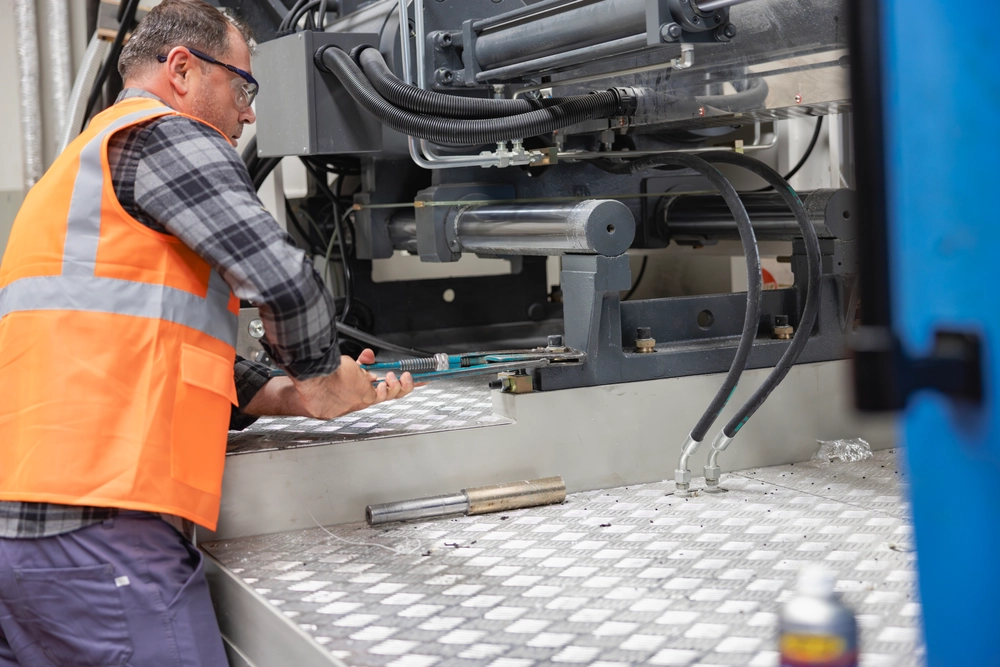
On hydraulic and servo-hydraulic machines, the fluid is the lifeblood. Check level and temperature routinely, watch for leaks daily, and analyze or change the fluid on schedule, since contaminated or degraded hydraulic fluid causes erratic pressure, sluggish response, and accelerated wear throughout the system. Clean fluid is cheap insurance against expensive component damage.
Electrical, sensors, and safety systems
Thermocouples and sensors drift, connections loosen, and safety interlocks can fail silently. Verifying sensor calibration keeps your process readings honest, and confirming that guards, interlocks, and emergency stops work is not optional, it protects the people running the machine. Never defeat a safety device to keep running.
Where maintenance attention pays back
Relative impact on uptime and part quality of common preventive tasks. Directional, based on the failures each prevents.
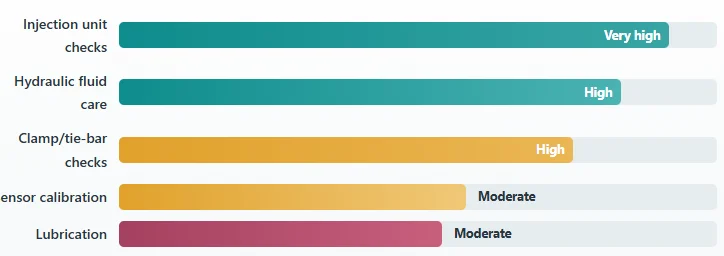
Directional ranking of preventive tasks by their impact on uptime and part quality. Follow manufacturer intervals for specifics.
The habit that prevents the most downtime
Beyond any checklist, the highest-value maintenance behavior is the every-shift walk: listen for changes in sound, look for new leaks, watch the temperature and pressure readings, and notice anything different from yesterday. Most catastrophic failures announce themselves as small changes first. An operator who notices a new noise on Monday prevents the breakdown that would have happened Thursday. Training operators to see and report those early signs turns your whole team into an early-warning system.
Maintenance is a rhythm, daily watching, weekly lubrication and checks, monthly wear inspection, and deeper periodic service. The injection unit, clamp, hydraulics, and safety systems deserve the most attention. Planned minutes are always cheaper than unplanned hours, and genuine parts and trained service keep the schedule on track.
Frequently asked questions
What’s the single most important daily maintenance task?
The every-shift walk: listen for new sounds, look for leaks, and watch temperatures and pressures against normal. Most serious failures show small warning signs first, and catching them early is what converts an unplanned breakdown into a planned, short fix.
How do I know when the screw or non-return valve is worn?
Watch for inconsistent shot size and part weight, and drifting cushion, signs melt is slipping backward past a worn check valve. Screw and barrel wear also show as declining melt quality and rising energy use. Scheduled inspection catches these before they wreck part quality.
Does hydraulic fluid really need regular attention?
Yes. Contaminated or degraded fluid causes erratic pressure, sluggish response, and accelerated wear throughout the hydraulic system. Checking level and temperature routinely, watching for leaks, and analyzing or changing fluid on schedule is inexpensive protection against expensive damage.
Keep your press running with LOG service
LOG’s certified field service engineers, genuine parts, and training programs keep your machine in top condition. Rated knowledgeable, helpful, and responsive.