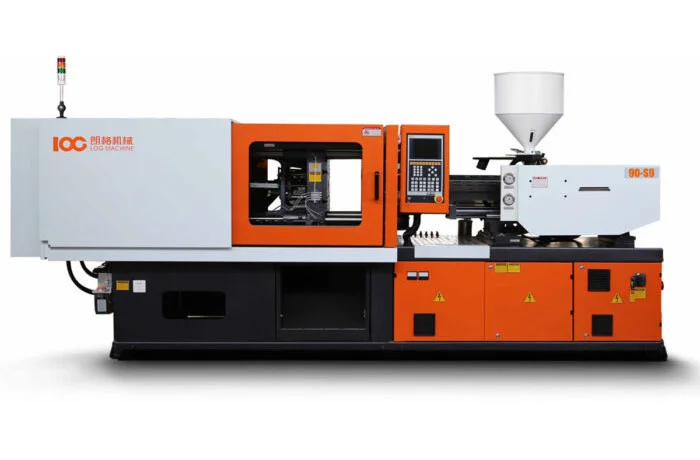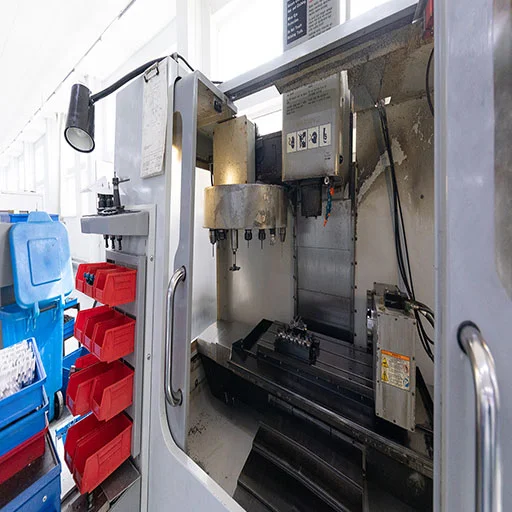
That thin fin along the parting line is the mold telling you it’s being forced open during injection. Flash is a force balance, and once you see the tug-of-war, it’s fixable.
Of all the defects in injection molding, flash is the one that most directly points back to the machine. That thin fin of plastic squeezing out along the parting line is the mold telling you it is being forced open during injection, and the machine’s clamping force is what is supposed to hold it shut. Flash is common, it is frustrating, and it is almost always fixable once you understand the tug-of-war behind it. This is a focused guide to what causes flash and how to cure it.
Flash happens when the injection pressure pushing the mold open beats the clamping force holding it shut. Everything that causes flash either raises the opening force (too much injection pressure, melt too thin) or lowers the holding force (not enough tonnage, worn tooling). Fix the balance and the flash disappears.
The tug-of-war inside the machine
During injection, molten plastic enters the cavity under high pressure. That pressure acts on the projected area of the part and pushes the two mold halves apart. The machine’s clamping force (tonnage) resists that push and keeps the mold closed. When the opening force exceeds the clamping force, even briefly, the mold separates slightly at the parting line and plastic escapes into the gap. That escaped plastic, frozen in place, is flash.
This is why flash is so closely tied to tonnage. If a machine’s clamp force is marginal for the part’s projected area, the mold is one pressure spike away from flashing. Published troubleshooting guidance makes the check explicit: verify clamp tonnage against projected area with margin, and if tonnage is near the limit, stop tuning the process and address the clamp side.[1]
The causes, and the cure for each
| Cause | What’s happening | Cure |
|---|---|---|
| Injection pressure too high | Opening force exceeds clamp | Reduce injection/holding pressure to the minimum needed to fill[2] |
| Insufficient clamp force | Tonnage marginal for projected area | Confirm tonnage vs. projected area with margin; use adequate machine[1] |
| Worn or misaligned tooling | Parting line no longer seals | Inspect, repair, and realign parting-line surfaces and shutoffs[3] |
| Melt too hot / too thin | Low-viscosity melt flows into tiny gaps | Lower melt temperature; optimize speed and pressure[3] |
| Poor mold maintenance | Damage and wear open the seal | Regular inspection and repair of the mold[3] |
Why clamp force and injection pressure must be matched
The two forces have to be in the right relationship. Too little clamp force relative to injection pressure, and you flash. But the answer is not simply “maximum tonnage always,” because excessive clamp force wastes energy and stresses the mold. The right machine provides enough clamping force for your part’s projected area with sensible margin, and enough control to hold injection pressure precisely where it needs to be, no higher. That precise, repeatable pressure control is exactly where a servo-driven injection molding machine earns its place: it holds the process window shot after shot instead of drifting into the pressure spikes that cause intermittent flash.
The flash balance: opening force vs. clamping force
Flash occurs whenever the mold-opening force from injection exceeds the clamp holding it shut. Illustrative, to show the relationship.

Illustrative relationship between clamping force and injection-driven opening force. When opening force crosses the clamp threshold, flash appears.[1]
A practical flash-fixing sequence
Work it in order. First, reduce injection and holding pressure to the minimum that still fills the part completely, often this alone clears marginal flash.[2] Second, check melt temperature and bring it down if the melt is running thin. Third, verify clamp tonnage against the projected area; if it is marginal, that is your answer and no amount of process tuning will fully fix it.[1] Fourth, inspect the tooling, worn shutoffs and damaged parting lines need repair, not settings.[3] If flash persists through all four with a stable process, the issue is mechanical, not parametric.
Flash is a force-balance problem: injection pressure opening the mold versus clamp force holding it shut. Reduce unnecessary pressure, keep the melt in range, confirm you have the tonnage the part needs, and maintain the tooling. A machine with adequate clamp force and precise pressure control makes flash a rare event instead of a running battle.
Frequently asked questions
Is flash always caused by too little clamping force?
Not always, but clamp force is central. Flash can also come from excessive injection pressure, a melt that’s too hot and thin, or worn tooling. The common thread is that the mold-opening force beat the clamp holding it shut. Check pressure and melt first, then confirm tonnage, then inspect the tool.
Can I just increase clamp force to stop flash?
Sometimes you need more tonnage, but maximum clamp isn’t a cure-all, excessive force wastes energy and stresses the mold. The goal is enough clamp for your part’s projected area with margin, combined with injection pressure kept no higher than needed. Match the two rather than maxing one.
Why does flash come and go instead of every shot?
Intermittent flash usually means the process is drifting in and out of a stable window, pressure spikes on some shots push past the clamp force, others don’t. Precise, repeatable pressure control keeps every shot inside the window, which is where a well-controlled servo machine helps.
Fighting flash on a marginal machine?
LOG’s S8 and S9 servo machines pair adequate clamp force with precise pressure control. Our engineers can help you match tonnage to your part and dial out flash.