When a part does not fill, the fix is rarely just more pressure. Here is how to work through the machine, the material, the mold and the process to find the real cause.
A short shot is about as clear as an injection molding defect gets: the cavity did not fill. Part of a rib is missing, a corner is rounded off, or a thin section at the end of flow never formed. Beyond the cosmetic problem, a short shot can affect how a part fits and functions.
The obvious reaction is to turn up injection pressure. Sometimes that works. More often it masks the real cause, pushes the process toward flash, and the short shot comes back the next time conditions drift. This article is part of our injection molding defect library; for an overview of every common defect, start with Common Injection Molding Defects and How to Fix Them.
The four places a short shot comes from
Entec Polymers’ technical service team groups short shot causes into four categories: material, machine, tooling and process parameters. Working through them in a deliberate order is faster than changing settings at random.
1. The machine
- Not enough material in the shot. If the shot size setting is too small, the cavity cannot fill no matter what else is right. Check that the screw is not bottoming out. If there is no cushion at the end of injection, there is no reserve material to finish filling or packing the part. Our article on holding pressure and part weight explains why cushion matters.
- A worn or malfunctioning check ring. If melt leaks back past the check ring during injection, the shot that reaches the mold is smaller and less consistent than the setting suggests. A cushion that drifts or collapses from shot to shot is a classic sign.
- Heater bands or thermocouples not working. A failed heater zone means colder, thicker melt that does not flow as far. Verify actual barrel temperatures against setpoints.
- The press is pressure-limited. If injection pressure reaches the machine’s maximum before the cavity fills, the screw slows down and the part freezes short. Our guide to injection pressure and where it ends covers how to tell.
- The shot is too large for the barrel. A mold that needs most of the barrel’s capacity leaves little room for a stable cushion. See The Screw: Where Your Resin Melts or Does Not.
2. The material
- Melt flow index too low. A stiffer-flowing grade may not reach the end of a long or thin flow path. Switching to a higher melt flow grade is one fix.
- Over-dried material. Excessive drying, especially of nylon, can reduce flow.
- Wet material. With some materials, moisture can cause screw slippage that leads to short, inconsistent shots. Our article on drying plastic resin covers what to check.
- A new lot or a new regrind ratio. If short shots appeared when the material changed, start there.
3. The mold
- Blocked or dirty vents. Air trapped at the end of fill has nowhere to go and stops the flow front. Inspect and clean vents. A short shot with a burn mark at the unfilled edge often points to venting.
- Undersized or unbalanced gates and runners. In a multi-cavity mold, an unbalanced runner fills some cavities before others, so the last ones come up short.
- A gate that freezes too early. An undersized gate can freeze off before the cavity is full.
4. The process
- Melt or mold temperature too low. Colder melt and a colder mold both shorten how far material flows.
- Injection speed set wrong. Entec notes that injection speed can be a cause if it is either too slow or too fast for the part.
- Injection pressure too low. Insufficient pressure or speed can leave the cavity unfilled.
A troubleshooting sequence that works
Look at where the part is short. Short at the end of flow suggests a flow or pressure limit. Short in one cavity of a multi-cavity mold suggests imbalance. Short with a burn mark suggests trapped air.
Check the cushion. No cushion means not enough material; a cushion that varies shot to shot suggests a check ring problem.
Check whether the machine is pressure-limited. If peak injection pressure is at the machine’s limit, more pressure is not available, and the answer is in temperature, speed, material or the mold.
Verify temperatures. Compare actual barrel and mold temperatures against setpoints.
Inspect the mold. Vents, gates and runners.
Review the material. Grade, lot, drying and regrind ratio.
Change one thing at a time and record what happened.
How machine control helps
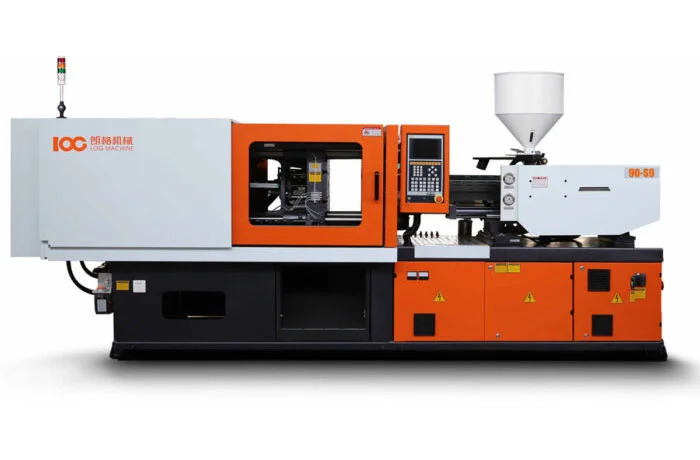
Many short shots come down to inconsistency: a cushion that drifts, a speed that varies, a shot that is not quite the same each cycle. Repeatable injection control narrows that variation. LOG Injection Molding Machines’ S-9 Series gives real-time control over injection speed, pressure and screw position with closed-loop control, and the S-8 Series offers multi-step pressure, speed and time control for plasticizing.
If a mold is consistently pressure-limited or needs most of the barrel’s capacity, the machine may simply be undersized for the job. Our Application Worksheet helps match the press to the mold.
Machines mentioned in this article
Real-time control of injection speed, pressure and screw position with closed-loop control
View machine →
Replacement parts for LOG Injection Molding Machines, including heater bands and electrical components
View machine →
Is your press the right size for the mold?
Send LOG Injection Molding Machines your part and mold details through the Application Worksheet and we will help you match the machine to the job.
Frequently asked questions
What is a short shot in injection molding?
A short shot is a molded part that is not completely filled. Besides its appearance, it can affect the part’s fit or function.
What is the most common cause of short shots?
There is no single most common cause. Short shots come from the machine, the material, the mold or the process, so the fastest approach is to check them in order, starting with the cushion and whether the machine is pressure-limited.
Will increasing injection pressure fix a short shot?
Sometimes, but it often masks the real cause and can push the process into flash. If the machine is already at its pressure limit, more pressure is not available and the cause is elsewhere.
Can a worn check ring cause short shots?
Yes. If melt leaks back past the check ring during injection, less material reaches the mold. A cushion that varies from shot to shot is a common sign.
Can venting cause short shots?
Yes. Blocked or dirty vents trap air that stops the flow front before the cavity fills.